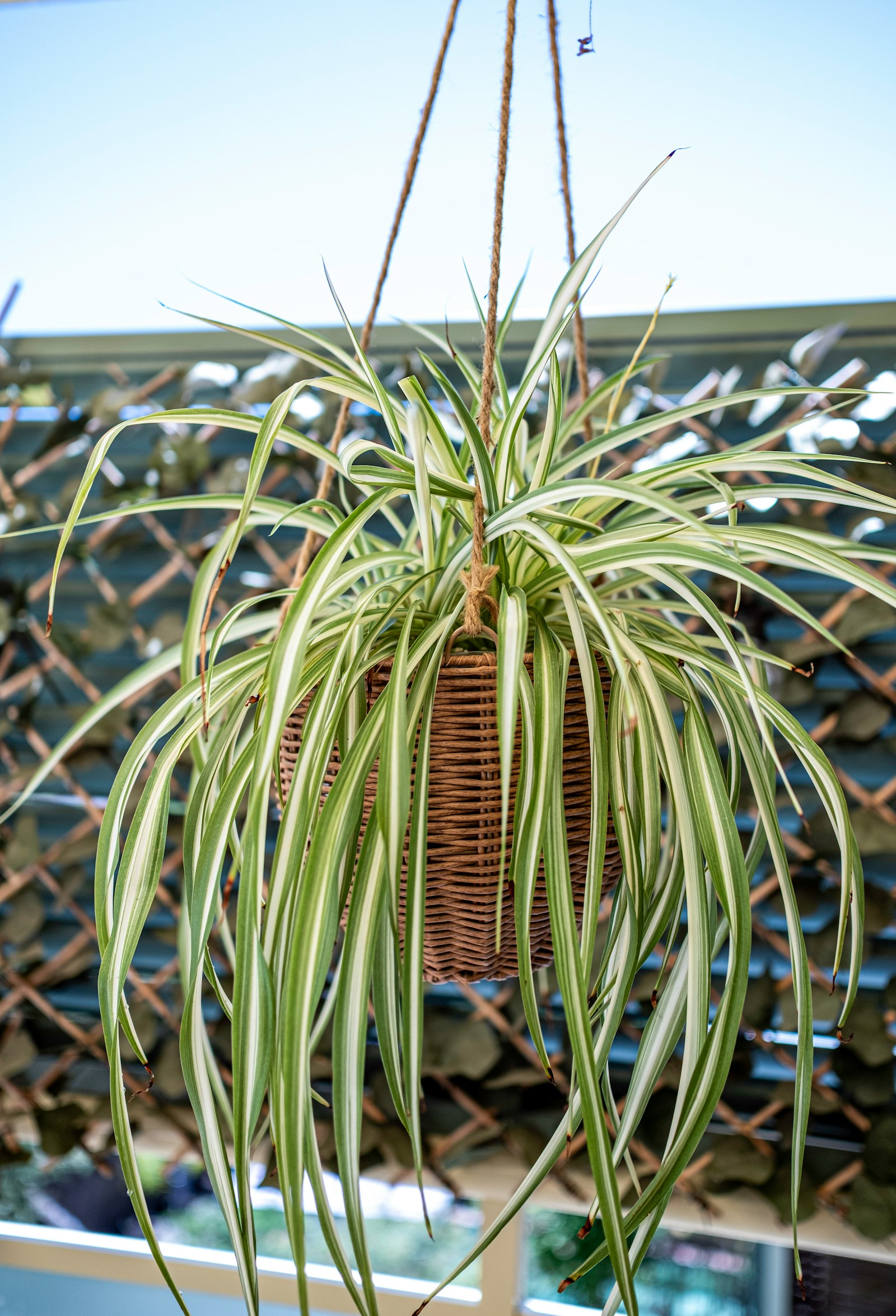
Overwatering kills more plants than neglect ever will. This is everything our growers tell customers on the care text line, written down: how to read your light, what each species actually wants, what changes with the season, and how to diagnose the eight problems people text us about most.
Start here
Read your light before you buy anything
Nearly every plant we replace under the guarantee was put in a room that could not support it. Ninety seconds with your own hand settles it better than any app.
01
Wait for midday
Between 11am and 2pm, on a normal overcast day rather than a bright one. That is your room's honest average.
02
Hold your hand a foot from the wall
Stand where you want the plant to live, palm flat, about twelve inches off the wall behind it.
03
Look at the shadow, not the room
Sharp outline: bright. Soft and fuzzy: medium. No shadow you can point at: low.
So which shadow did you get?
Pick one and we will tell you what will genuinely live there.
Species library
Eight plants, and what each one is actually asking for
Same numbers as the label in your box. The line that matters most is the last one — the specific mistake that kills that species.
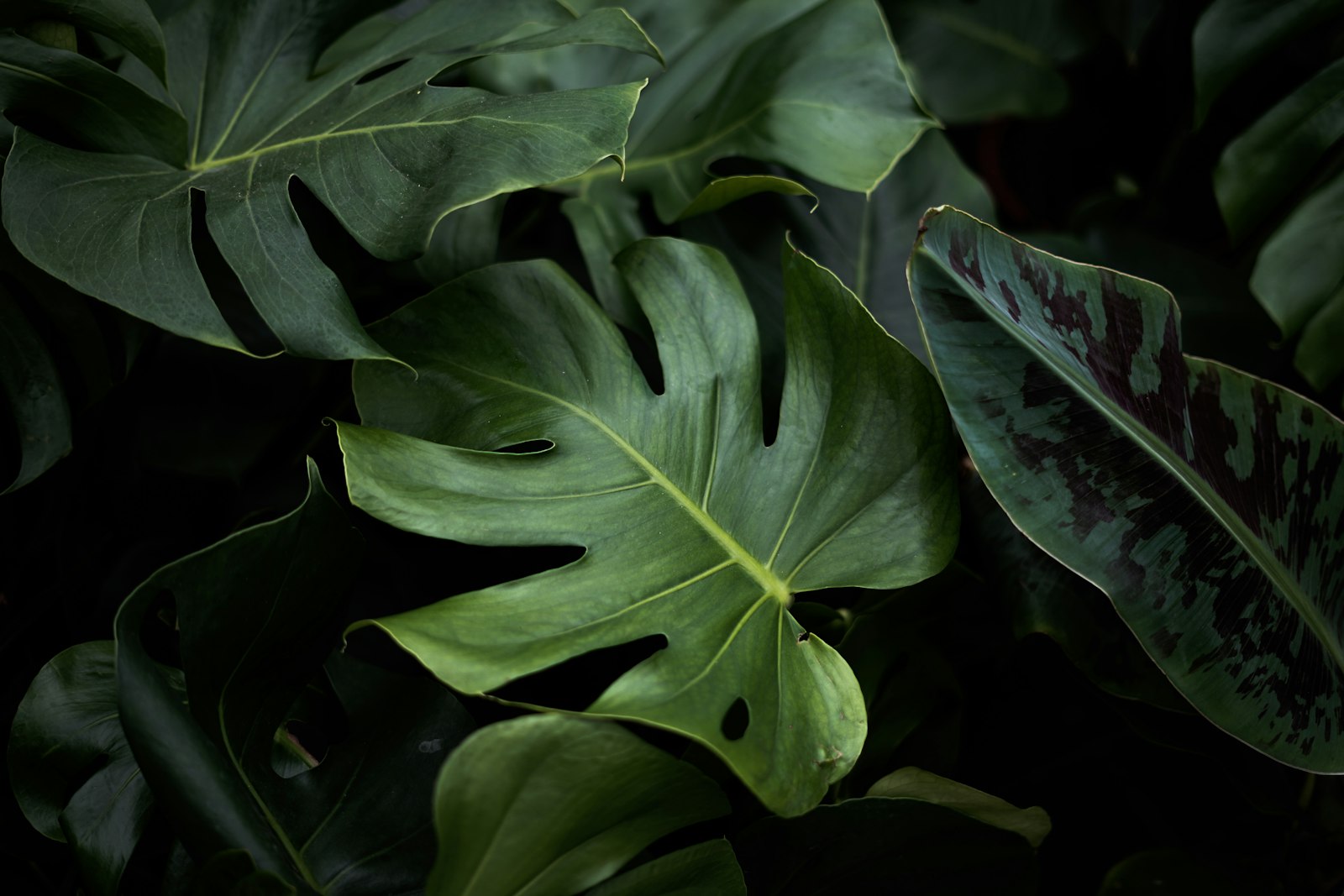
Monstera Deliciosa
Monstera deliciosa
Splits its leaves once it trusts the light. The fenestrations are a confidence signal, not a guarantee.
Light
Bright indirect
Water
Every 7–9 days
Humidity
40–60%
Pets
Not pet-safe
What kills it: Sitting in a saucer of water. Empty it fifteen minutes after you water.
Care advice written for summer is why plants die in winter. Four short seasonal rules — the watering can is the one that changes most.
Season 01 · Mar–May
Spring — wake it up
Days lengthen and roots start drinking again. This is the only window where repotting is a kindness rather than a shock.
Repot anything root-bound, one size up
Start feeding at half strength, monthly
Increase water as new growth appears
Cut off anything winter killed
Season 02 · Jun–Aug
Summer — the growth run
Everything moves fast. Soil dries in days rather than weeks, and a west window can genuinely scorch leaves by August.
Check soil twice a week, not once
Shift plants back from hot afternoon glass
Feed monthly; skip it in a heatwave
Wipe dust off broad leaves so they can breathe
Season 03 · Sep–Nov
Autumn — taper off
Light drops before the temperature does. Growth stops well before your plant looks like it has stopped.
Stop feeding entirely by early October
Cut watering frequency by roughly half
Move plants closer to the window
Do not repot — wait for spring
Season 04 · Dec–Feb
Winter — leave it alone
The hardest season, because doing nothing feels like neglect. Dry heat and cold glass do the damage, not the calendar.
Water only when the top two inches are dry
Keep foliage off cold window glass
Move plants away from radiators
Expect zero growth — that is correct
Troubleshooting
The eight things people text us about
Ranked by how often they land on the care line. Most of them are the same problem wearing different symptoms.
Almost certainly, if they are yellow and soft, starting from the bottom of the plant. Soggy soil suffocates roots, the plant cannot drink, and it looks exactly like thirst — which is why people water again and finish the job. Put a finger in to the second knuckle. If it is damp, do nothing for a week. If the soil smells sour, take the plant out of the pot and look for black, mushy roots; trim those off and repot in dry mix.
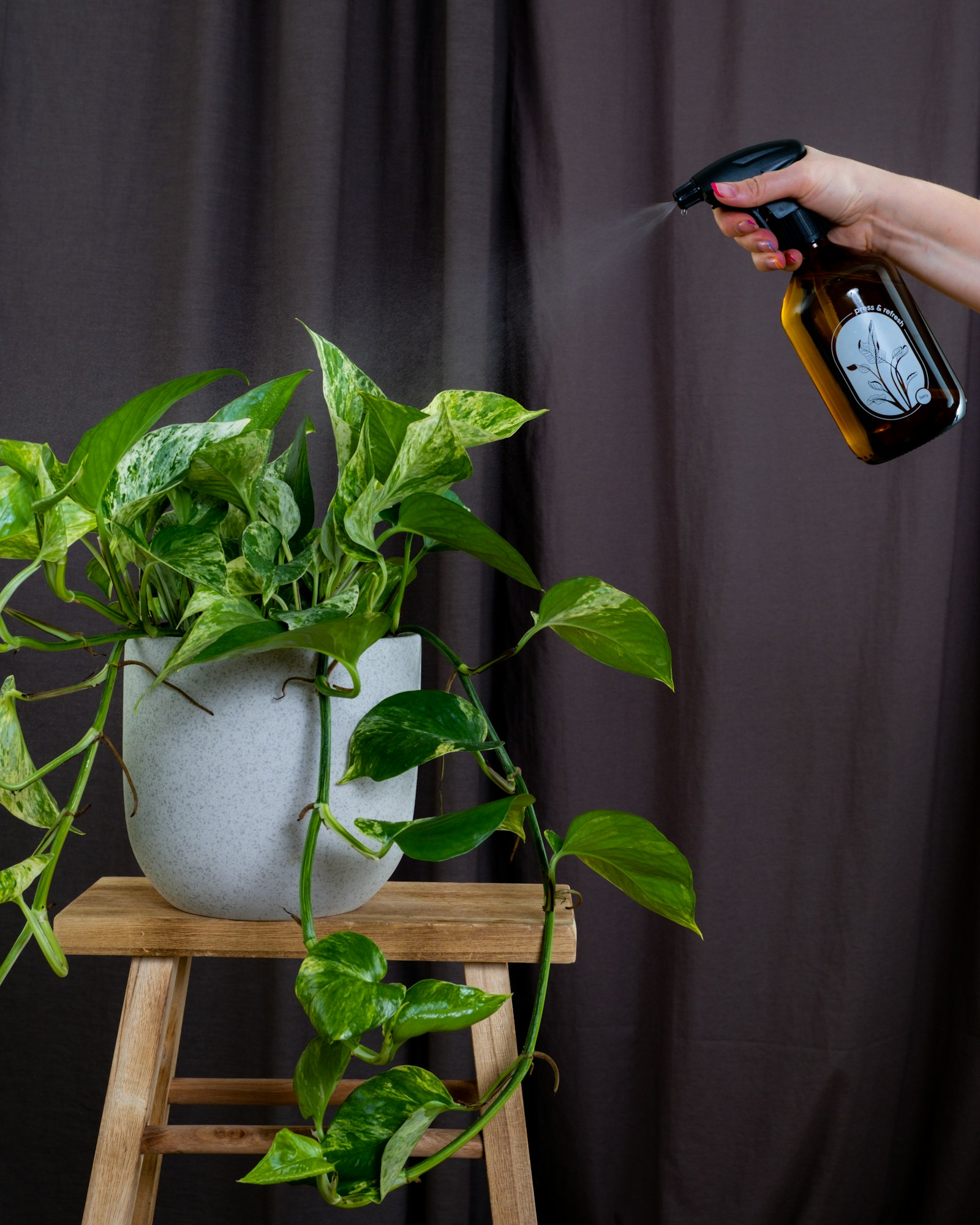
Crispy brown edges are usually dry air, not dry soil — most common between November and March when the heating runs. Move the plant off the radiator and away from cold glass first. Misting looks caring but raises humidity for about ten minutes; grouping plants together or a small humidifier actually works. If the whole leaf is limp and brown rather than crisp at the edge, then it is thirst.
If it is October to March, no — that is exactly right. Houseplants stop growing when daylight drops, and pushing them with feed just burns the roots. Stop fertilising entirely, cut watering by roughly half, and wait. Growth restarts in April. If it is midsummer and nothing has moved in three months, the plant is either root-bound or under-lit; check whether roots are circling the bottom of the pot.
Fungus gnats. They are harmless to the plant and a reliable sign the top of the soil stays wet too long. Let the top two inches dry out completely before the next water — that alone breaks the breeding cycle in two to three weeks. Yellow sticky traps catch the adults meanwhile. You do not need to repot, and you do not need an insecticide.
No. Your plant has just crossed the country in a box and is already dealing with new light. Repotting on arrival stacks a second shock on top of the first. Leave it in its nursery pot for at least a month — drop the whole thing into a decorative cover pot if you want it to look finished. Repot in spring, one pot size up, and only when roots come out of the drainage holes.
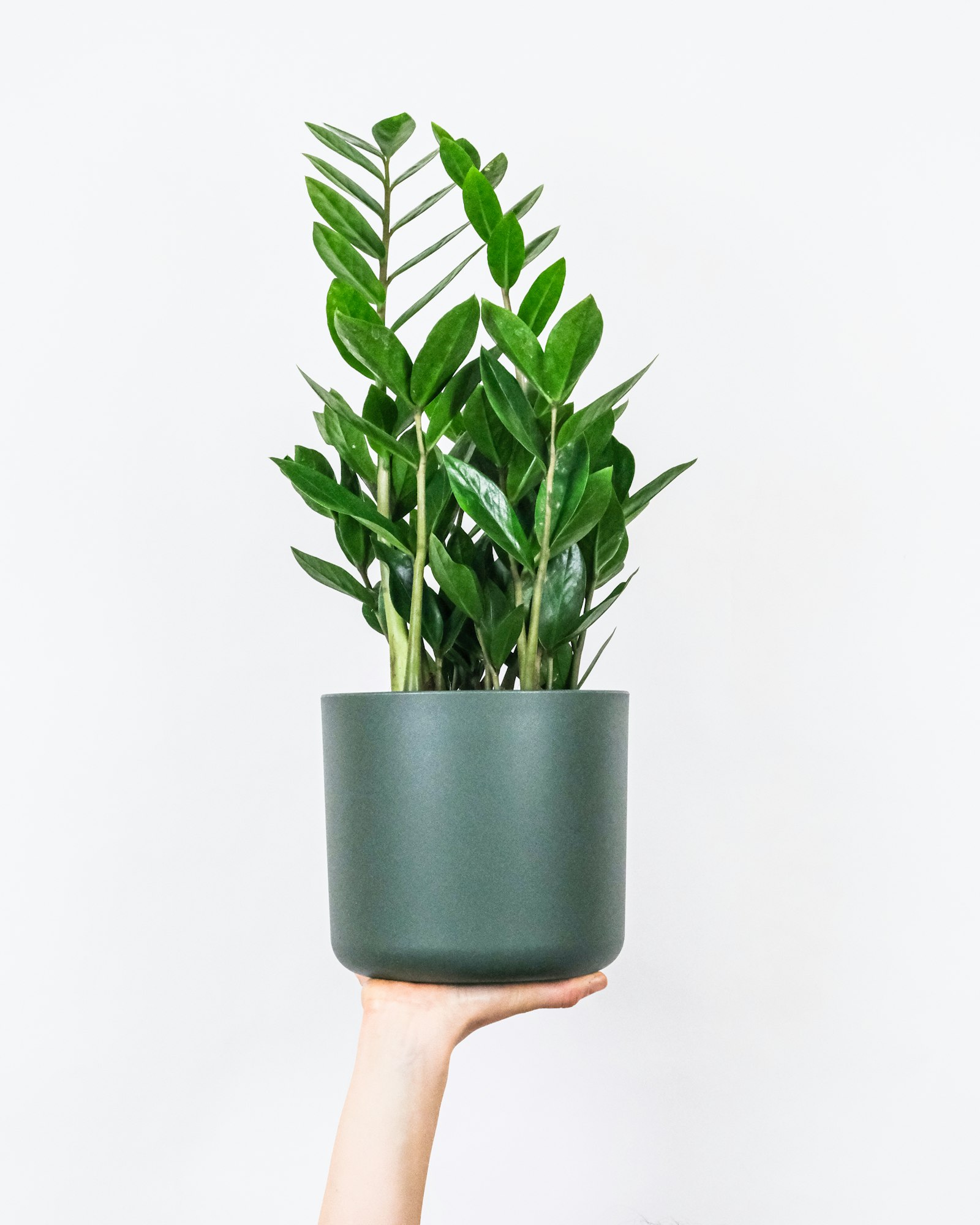
Hold your hand a foot from the wall at midday. A sharp-edged shadow means bright light; a soft fuzzy shadow means medium; no real shadow at all means low, and you should be shopping the ZZ, snake plant or pothos. Do this on an overcast day too — a west window in July and the same window in January are genuinely different rooms.
One or two tired leaves after transit is normal and the plant will replace them; cut them off at the base with clean scissors. If more than a third of the foliage is damaged, or the stem is soft, that is a claim — photograph it and send the photo within 30 days. We replace or refund without asking you to ship anything back.
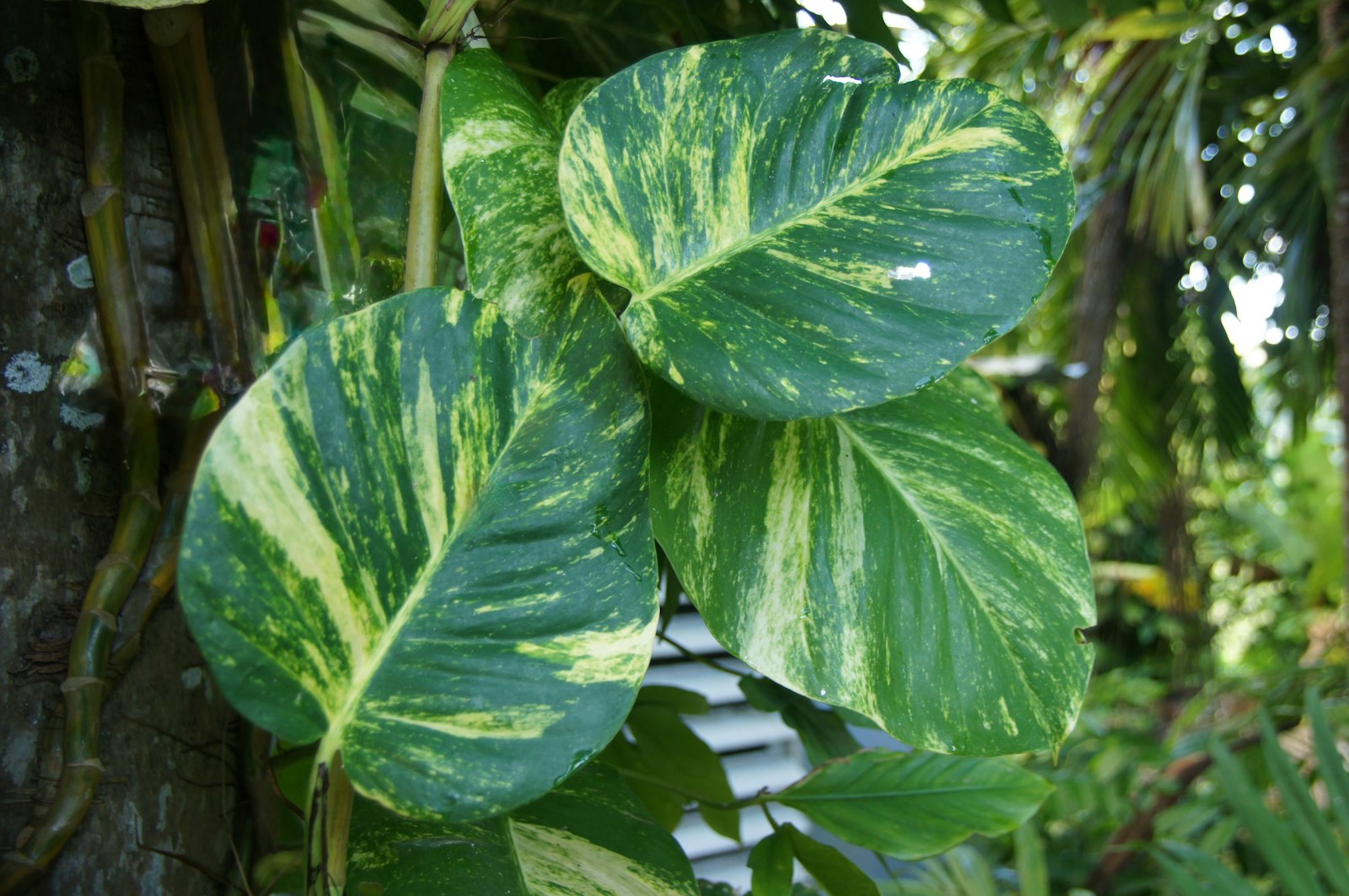
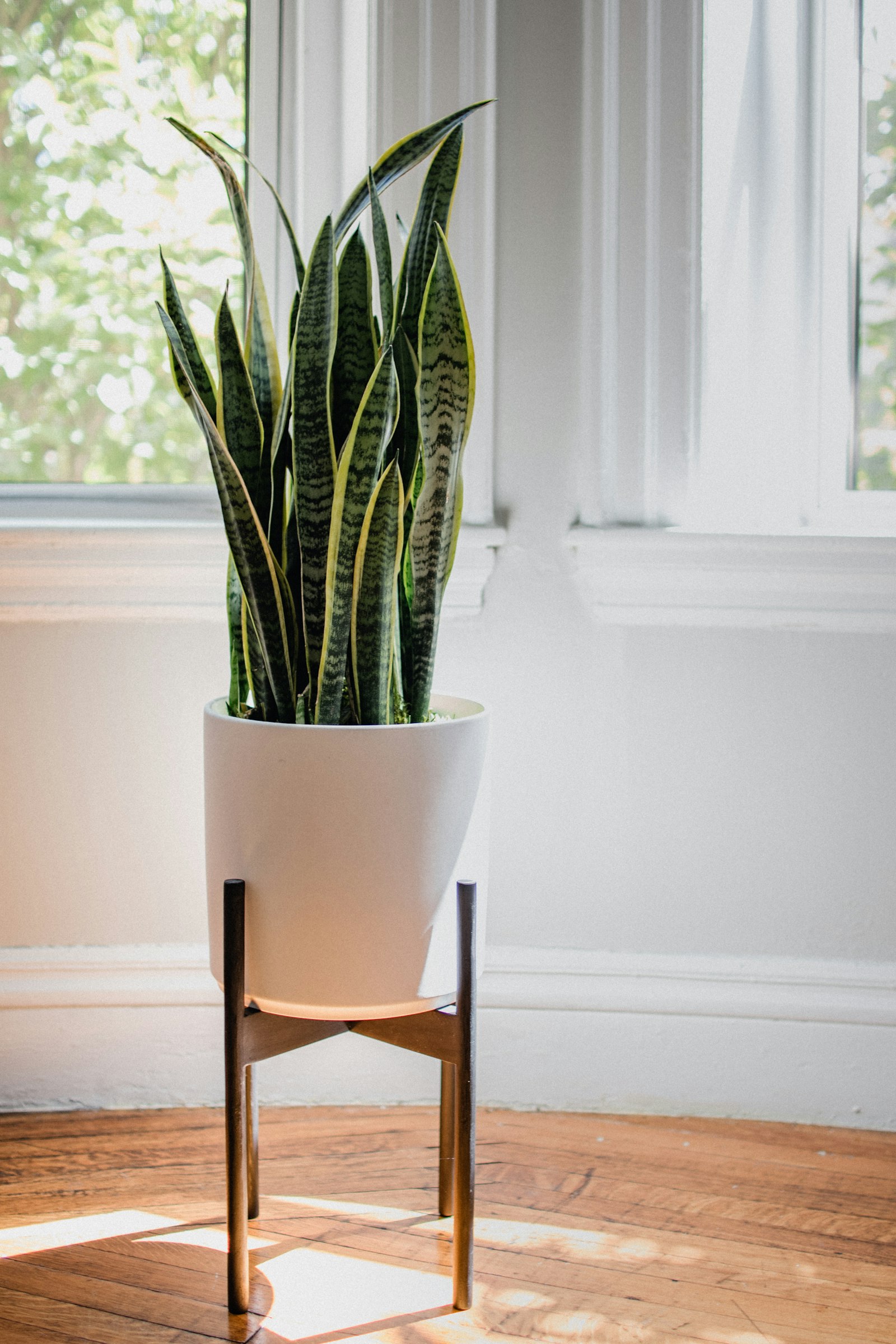
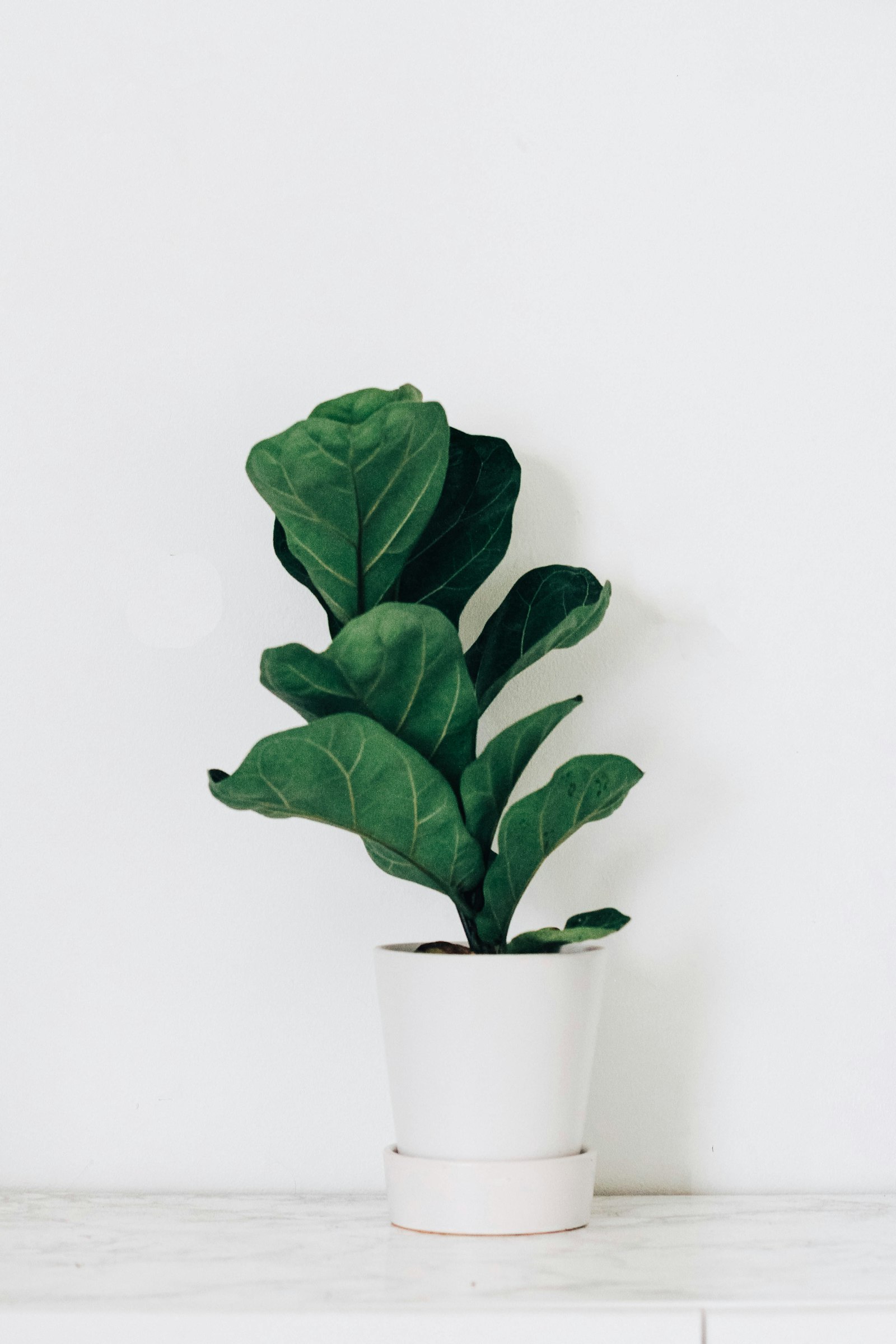
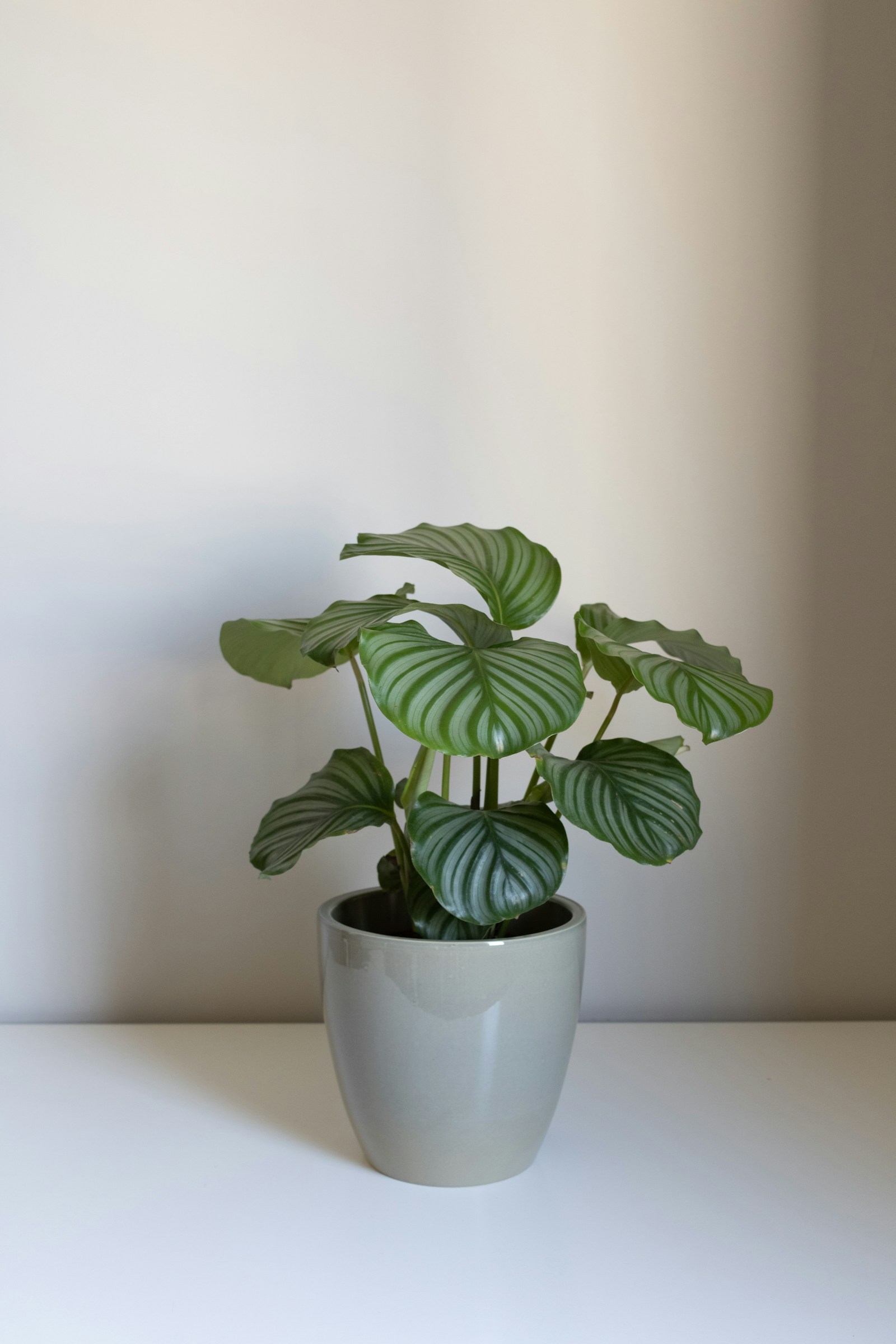
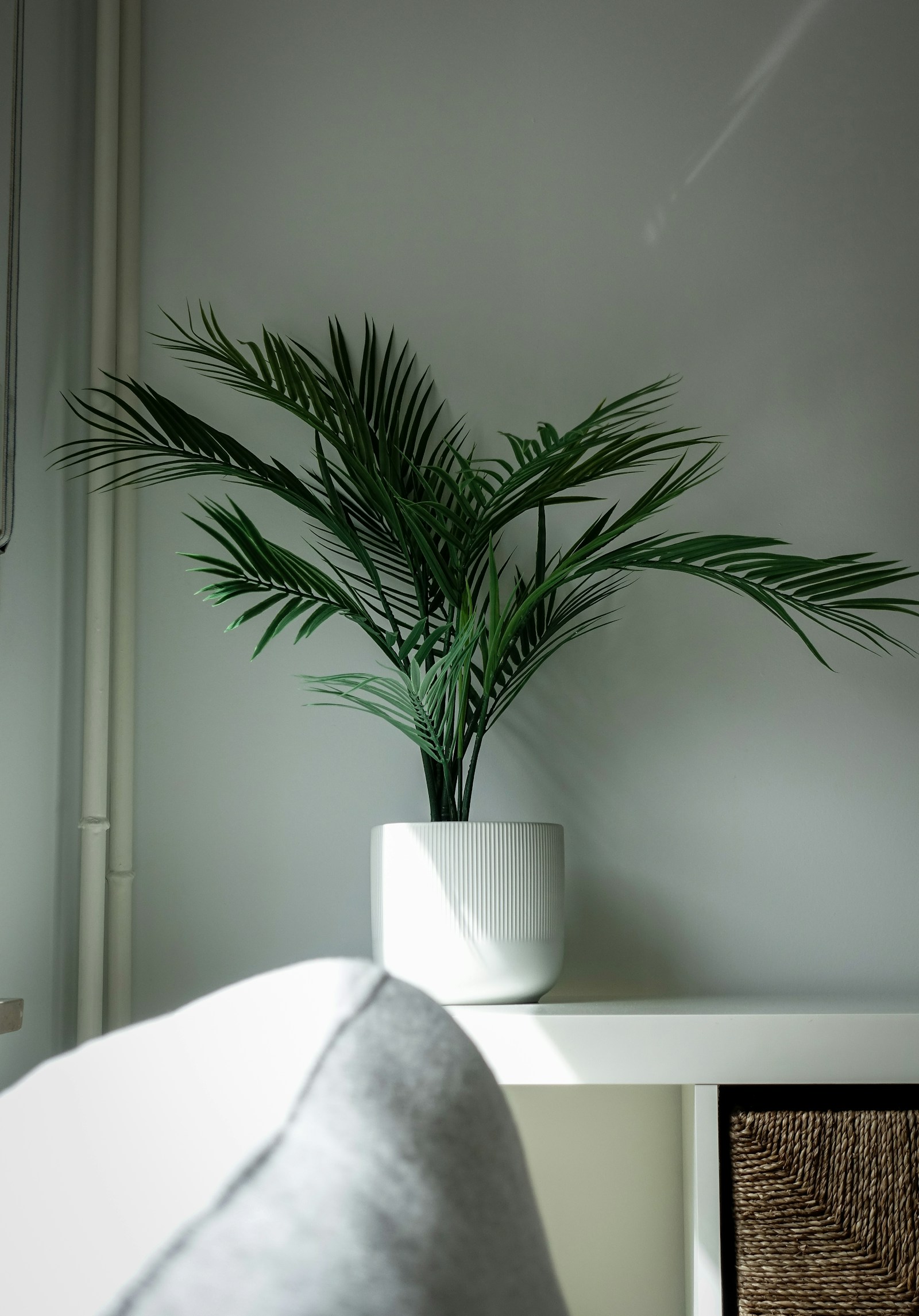
Only where the badge says Pet-safe, which we check against the ASPCA list rather than a supplier's spreadsheet. Parlour palm, Boston fern, calathea and spider plant are non-toxic. Monstera, pothos, ZZ, snake plant and both figs contain irritants — not usually dangerous in a nibble, but genuinely unpleasant. If your cat chews foliage as a hobby, shelf them rather than floor them.