Nine hectares,
one aspect.
A south-facing shoulder of decomposed granite between 340 and 380 metres, four blocks, all of it dry-farmed since 2019. This page is the working record of it.
The slope in section, the soil at four depths, every picking date since 2021, and what actually happens in the tunnel between February and November.
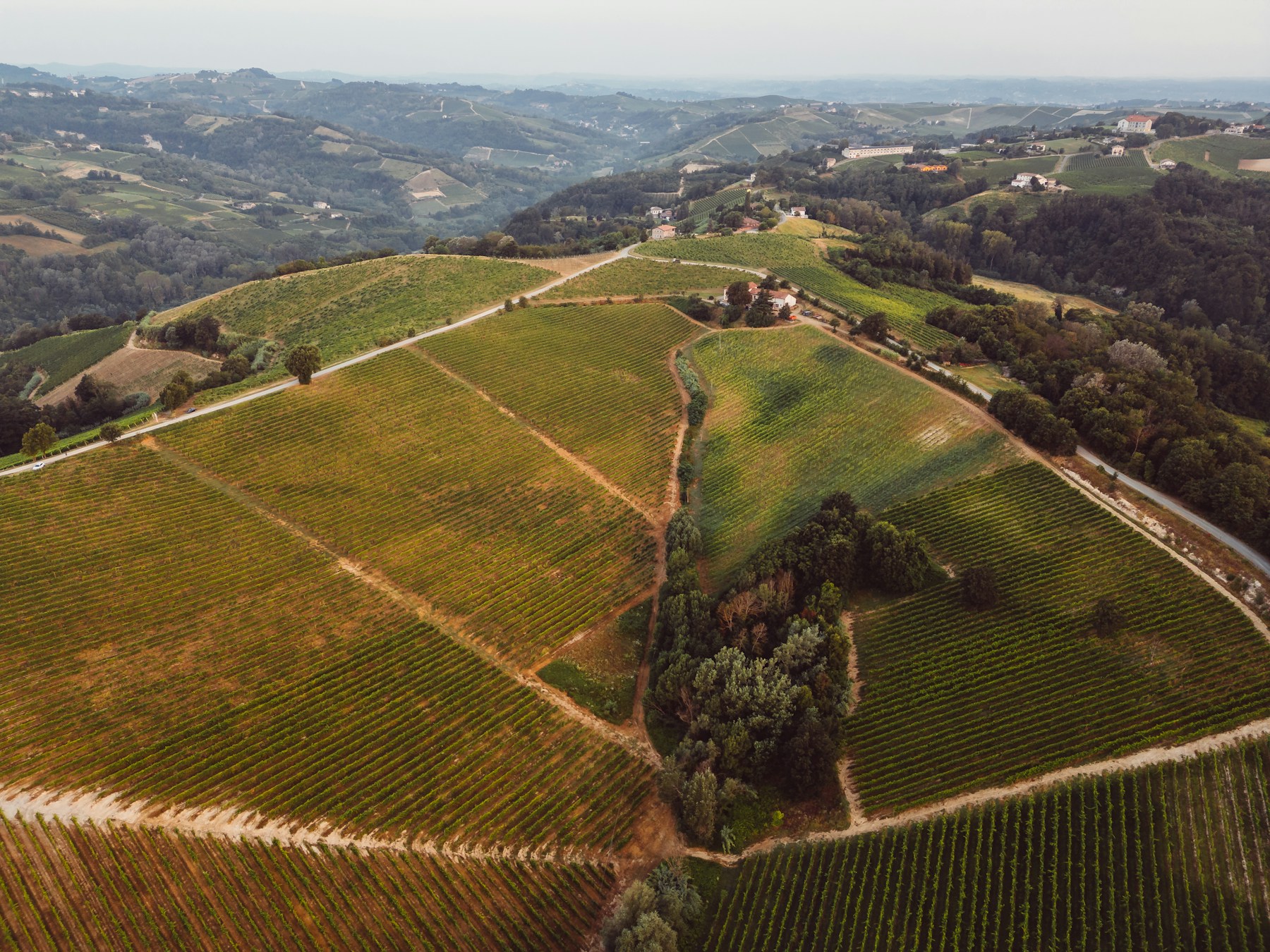
The slope from above Nine hectares, four blocks, one aspect — February, before the first pick
Drawn in section.
The granite is 40 cm down at the top row and better than two metres at the bottom, which is the whole difference between the Chenin and the Cabernet.
| Block | Area | Elevation | Planted | Vine density | Soil to granite |
|---|---|---|---|---|---|
| 1 · Top row, Chenin | 1.4 ha | 372–380 m | 1974 | 4,400 / ha | 40 cm |
| 2 · Upper Chenin | 2.6 ha | 358–372 m | 1986 | 4,000 / ha | 70 cm |
| 3 · Cinsault | 2.2 ha | 349–358 m | 1968 | 2,800 / ha (bush) | 1.3 m |
| 4 · Cabernet | 2.8 ha | 340–349 m | 1994 | 3,600 / ha | 2.2 m |
Total 9.0 ha under vine · 3.1 ha uncultivated fynbos and firebreak · Rows run east–west across the fall
Decomposed granite,
at four depths.
Granite holds heat badly and drains fast, which is exactly what you want when the summer runs to 38 °C. The vines struggle, the berries stay small, and the skins do the work.
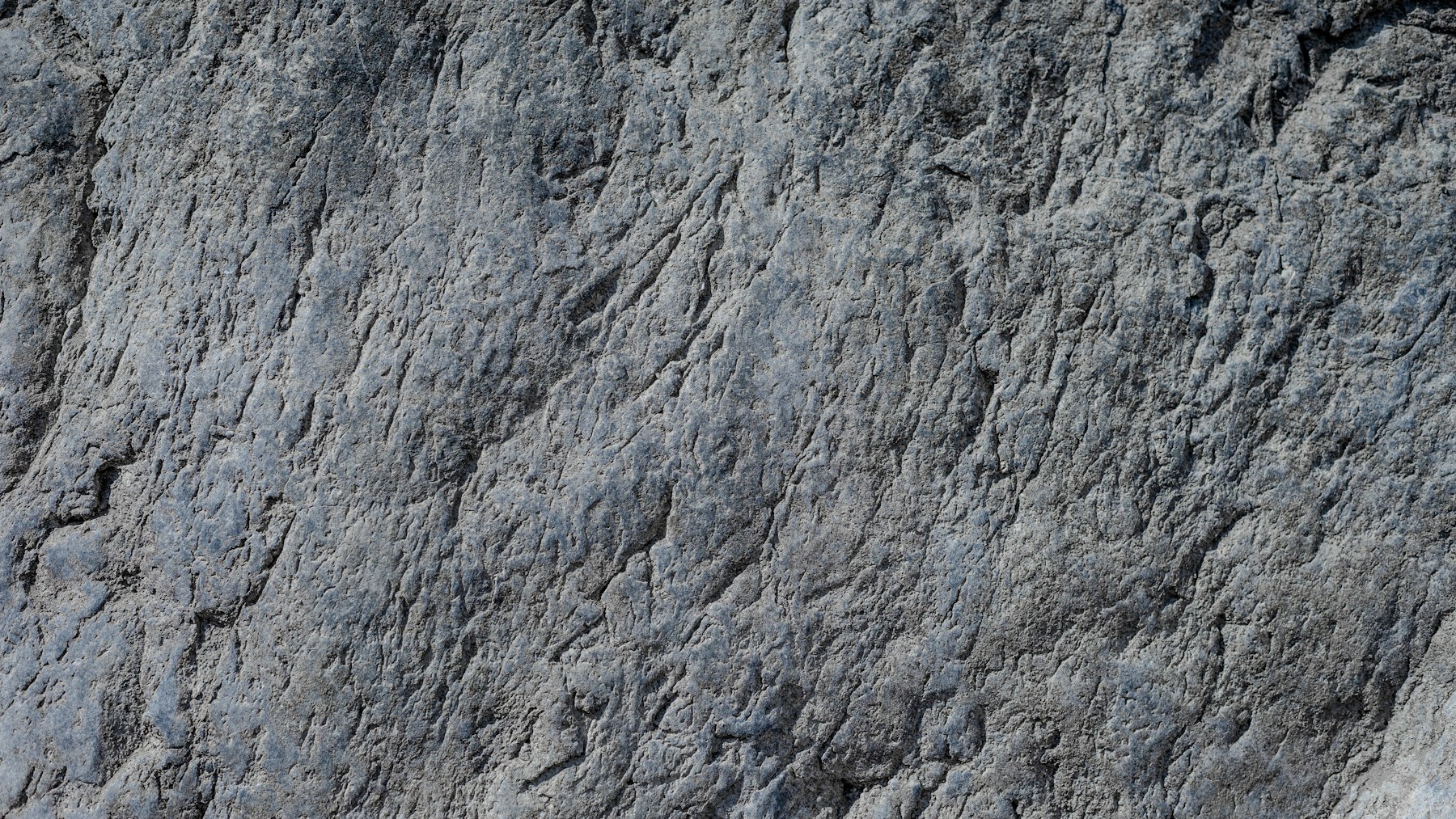
What is under each block
- 0–15 cm. Thin grey-brown loam with fynbos litter worked in. Almost no clay. Holds a rain for about four days.
- 15–60 cm. Coarse granite grit, the fraction a spade goes through. This is where most of the root mass sits in blocks one and two.
- 60 cm–2 m. Weathered granite in plates, cool, wet at the bottom of the slope until December. Block four lives here.
- Below. Mother rock. Roots follow the fissures rather than break it, which is why the old bush vines survived 2018.
Pit analysis, four profiles, dug 2019 before the drip lines came out
Every pick,
written down.
Block by block, six seasons. Tonnes off the block, tonnes per hectare, and the sugar the fruit came in at. Where a block was declassified into the estate blend, it says so.
| Vintage | Block | Picked | Tonnes | t / ha | Sugar | Outcome |
|---|---|---|---|---|---|---|
| 2026 | 1 & 2 · Chenin | 04–09 Feb | 21.4 | 5.35 | 21.8 °B | Stone Row |
| 2026 | 3 · Cinsault | 16–19 Feb | 9.2 | 4.18 | 21.1 °B | Old Bush |
| 2026 | 4 · Cabernet | 02–07 Mar | 13.7 | 4.89 | 23.6 °B | Vale, in barrel |
| 2025 | 1 & 2 · Chenin | 15–20 Feb | 23.8 | 5.95 | 21.4 °B | Stone Row |
| 2025 | 3 · Cinsault | 24–26 Feb | 10.1 | 4.59 | 20.8 °B | Old Bush |
| 2025 | 4 · Cabernet | 11–15 Mar | 15.2 | 5.43 | 23.9 °B | Vale, in barrel |
| 2024 | 1 & 2 · Chenin | 12–16 Feb | 19.6 | 4.90 | 22.3 °B | Stone Row |
| 2024 | 4 · Cabernet | 05–08 Mar | 10.9 | 3.89 | 24.8 °B | Declassified — estate blend |
| 2023 | 1 · Top row | 04 Feb | 4.1 | 2.93 | 21.6 °B | Hail loss 30 Nov |
| 2023 | 2 · Upper Chenin | 06–10 Feb | 15.9 | 6.12 | 21.9 °B | Stone Row |
| 2022 | 3 · Cinsault | 21–28 Feb | 8.4 | 3.82 | 20.4 °B | Old Bush — four passes |
| 2021 | 4 · Cabernet | 09–14 Mar | 14.4 | 5.14 | 24.1 °B | Vale |
Sugar measured in degrees Balling at the weighbridge · All picking by hand into 18 kg lug boxes · Ledger kept since 1974, six seasons shown
What happens,
and when.
Four permanent staff, eleven seasonal from January to April. Nothing on this list is done by contractor and nothing is done twice.
-
Jul – Aug
Pruning
Spur-pruned by hand, blocks one and two first because they push earliest. Two people, six weeks, no machine. Canes are chipped and go back between the rows.
-
Sep – Oct
Budburst and suckering
Shoots counted per vine on a hundred marked vines per block. This number is the only yield forecast we trust, and it is usually wrong by ten per cent.
-
Nov – Dec
Canopy and cover crop
Leaves pulled on the morning side only — the afternoon sun at 380 m will burn fruit through a thin canopy. Cover crop of oats and vetch mown flat in December.
-
Jan
Veraison and the walk
Marike walks every row twice a week from mid-January, tasting berries and spitting pips. Picking dates come out of that walk, not out of a refractometer alone.
-
Feb – Mar
Harvest
Hand-picked into 18 kg boxes, into the tunnel within forty minutes. Chenin at night since 2026. Sorted on a table at the tunnel mouth by whoever is standing there.
-
Mar – Nov
Cellar
Wild ferment in concrete and old oak, no temperature control beyond the 11 °C the rock gives us. Blending in August, bottling from September, by gravity from the top of the tunnel.
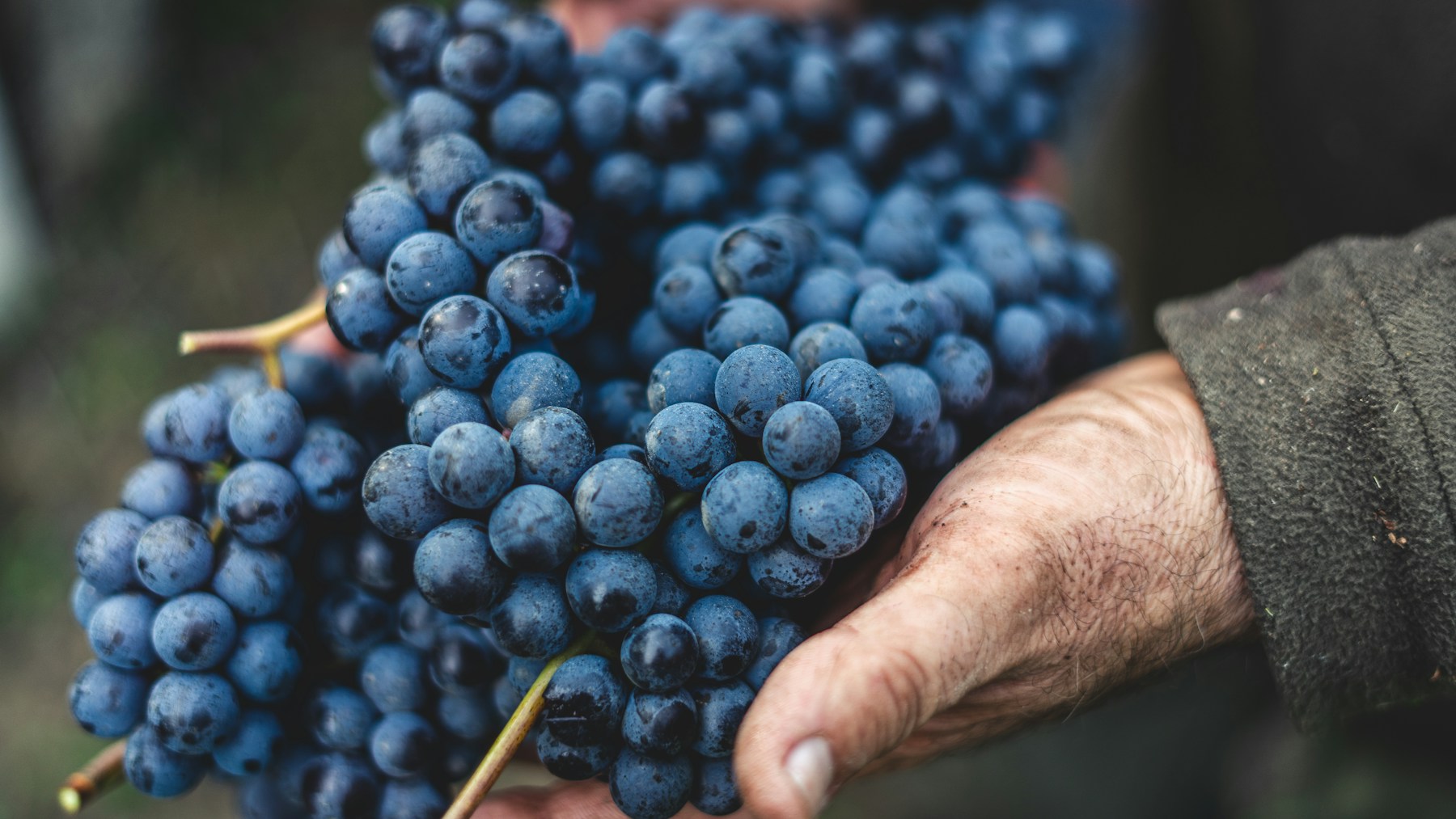
Two hundred metres into the hill
Cut by hand and by borrowed machine in 1991. It holds 11 °C all year without a compressor, which is why we have never bought one and why the electricity bill for the whole estate fits on one page.
- Ferment. Ambient yeast, no inoculation since 2012. Concrete for the Chenin, open-top for the Cinsault, and we punch down with a plunger.
- Oak. No new barrels. The youngest barrique in the tunnel is nine years old and we buy them third-hand from a neighbour.
- Additions. Sulphur at crush and at bottling. Nothing else, ever, including in the years when it would have helped.
- Bottling. By gravity from the top of the tunnel, September to November, on a hired four-head filler over two days.
“The 2026 harvest came in eleven days early and two degrees hotter. We picked the Chenin at night for the first time in fifty-one years.”
Anneke Roussouw buys nine hectares of failed apple orchard because the granite is close to the surface and nobody else wants it.
We pulled the drip lines out of every block. Yields fell by a third and stayed there. The wines got better and we stopped apologising for the price.
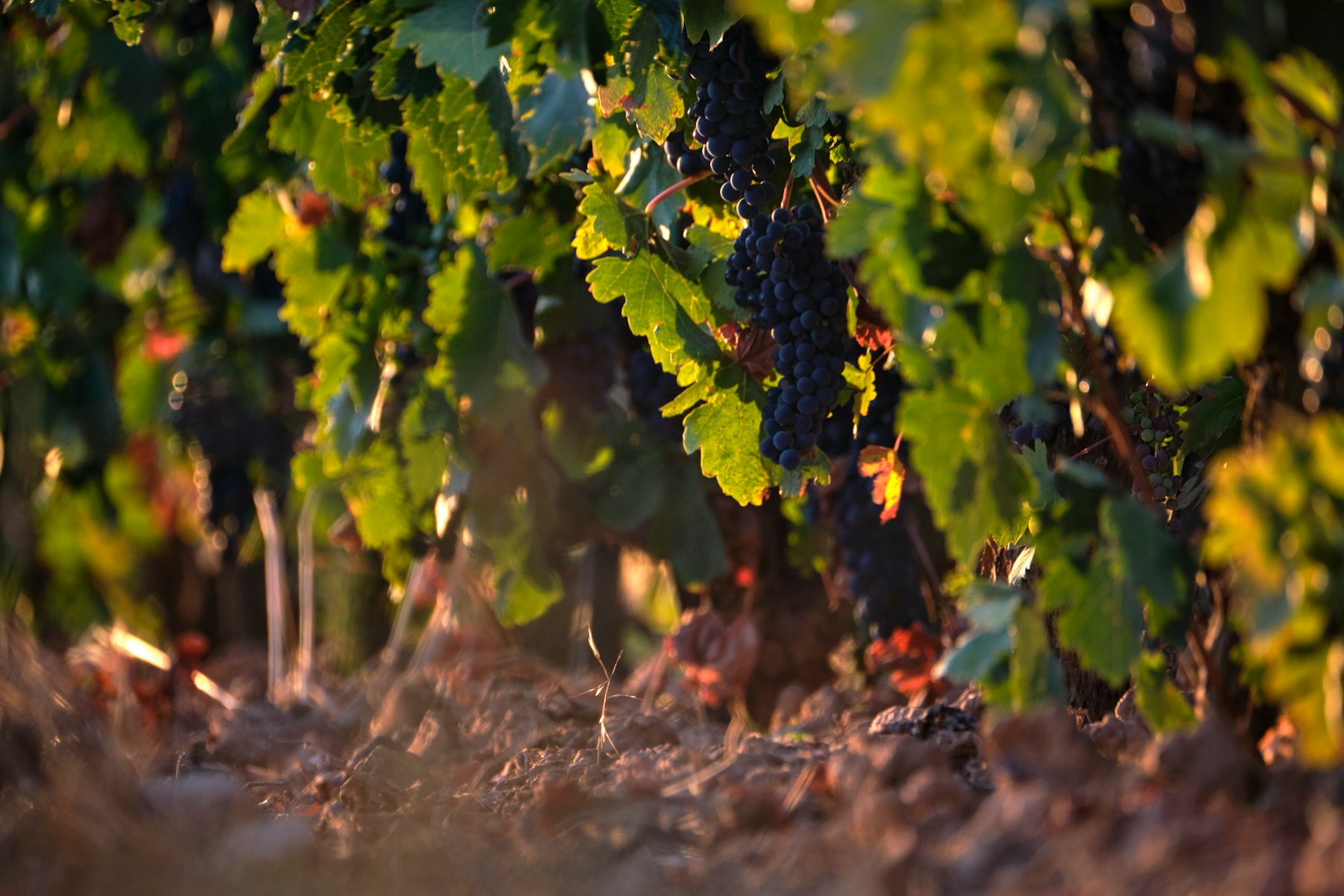
Walk the slope, then taste it.
The Cellar & Cheese sitting goes down the tunnel with a torch and tastes out of barrel before the blend is set. Six seats, ninety minutes.