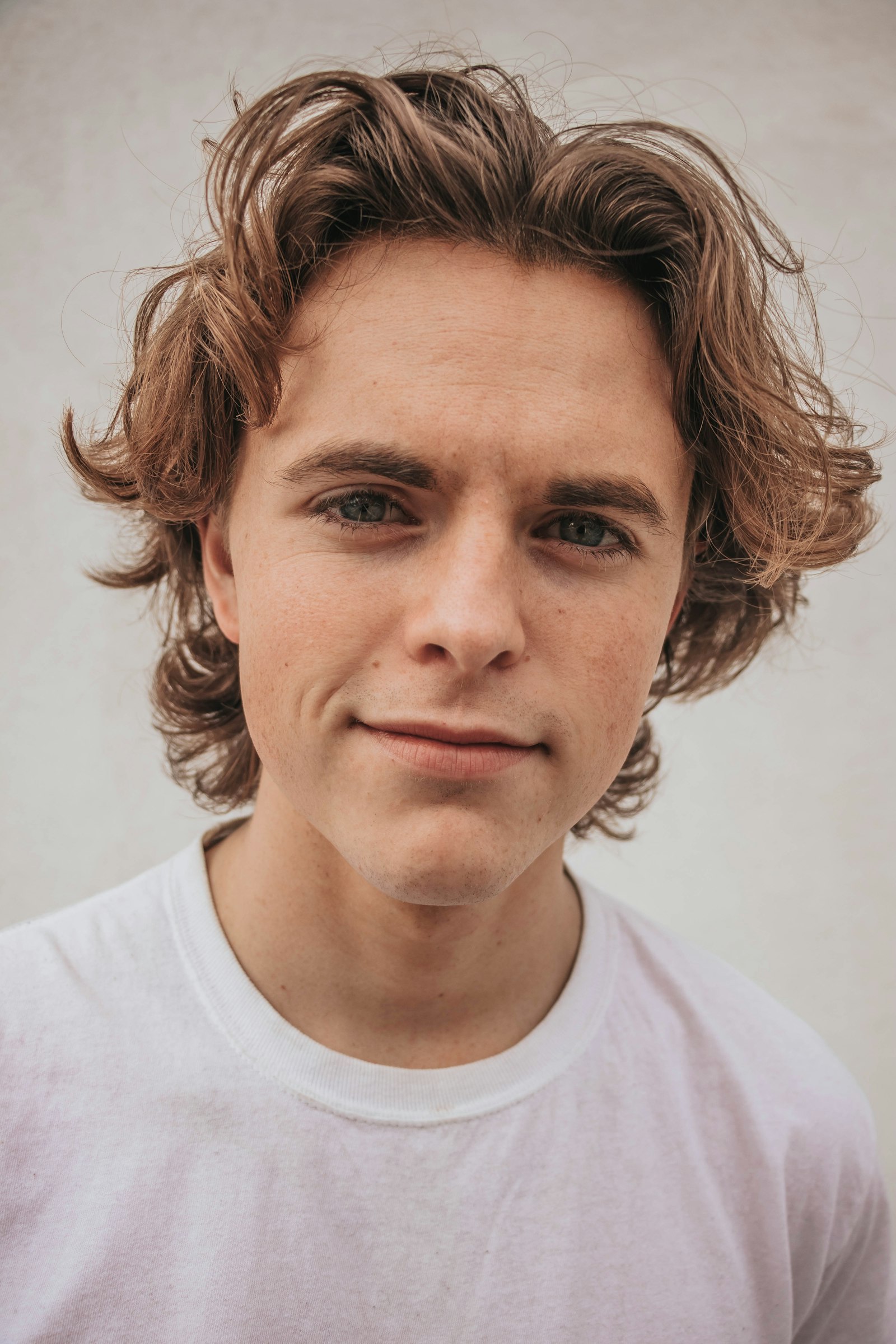
Kemi Adeyemi
Founder · Patterns
Cuts every first sample by hand. Owns the kitchen table the whole thing started on; it's now the cutting table.
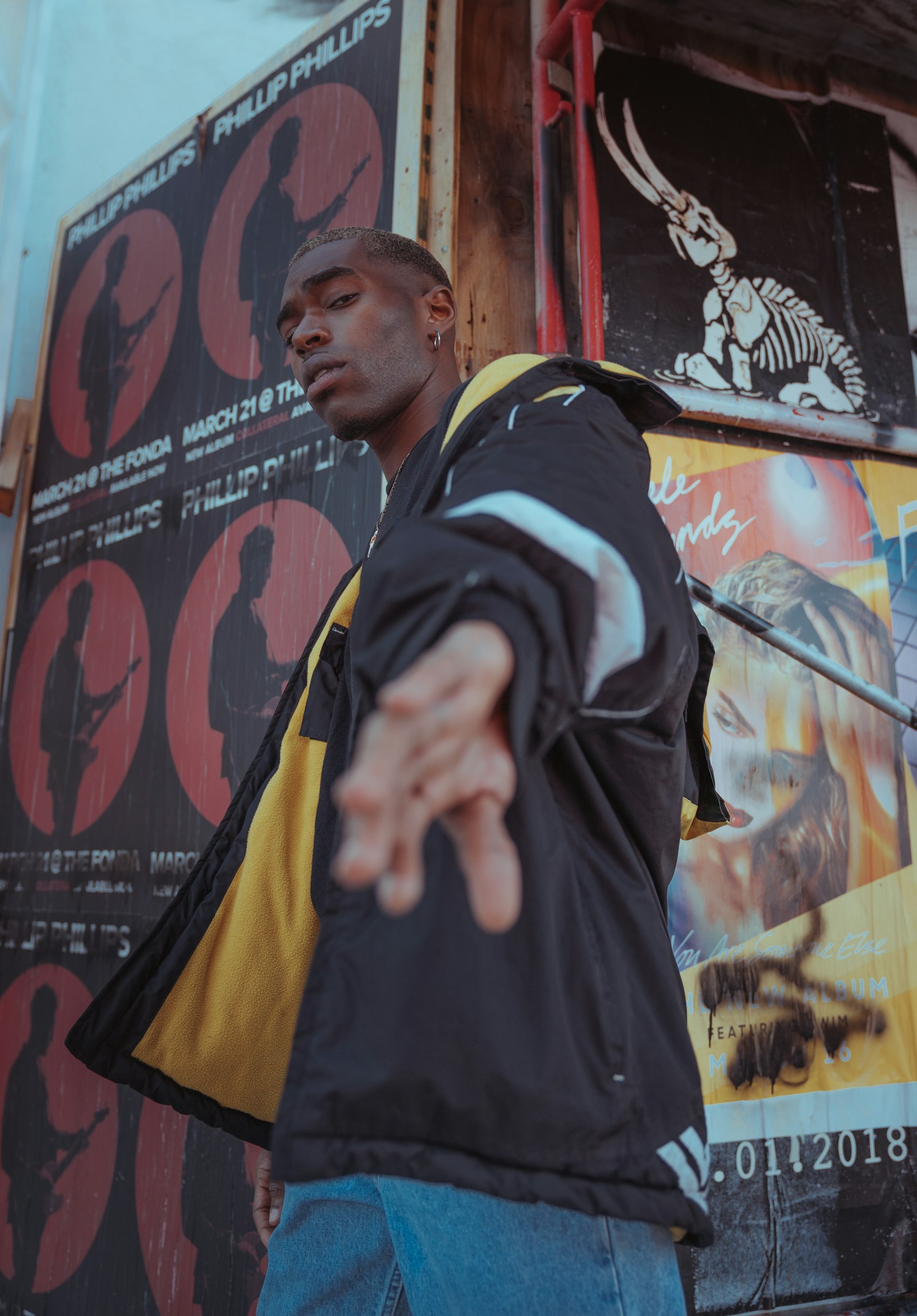
A pattern gets one run. Then it goes in the archive and stays there.
In 2019 we bought a second-hand screen press off a man in Deptford who swore it worked. It didn't, not at first. We pulled forty tees on Kemi's kitchen table, ruined eleven of them, and sold the other twenty-nine to people we knew from the same three clubs.
That should have been the end of it. Instead a stockist in Shoreditch asked what else we had, and the honest answer — nothing, we made forty and that's all there is — turned out to be the entire business.
People didn't want another brand with a permanent catalogue. They wanted the thing that would be gone.
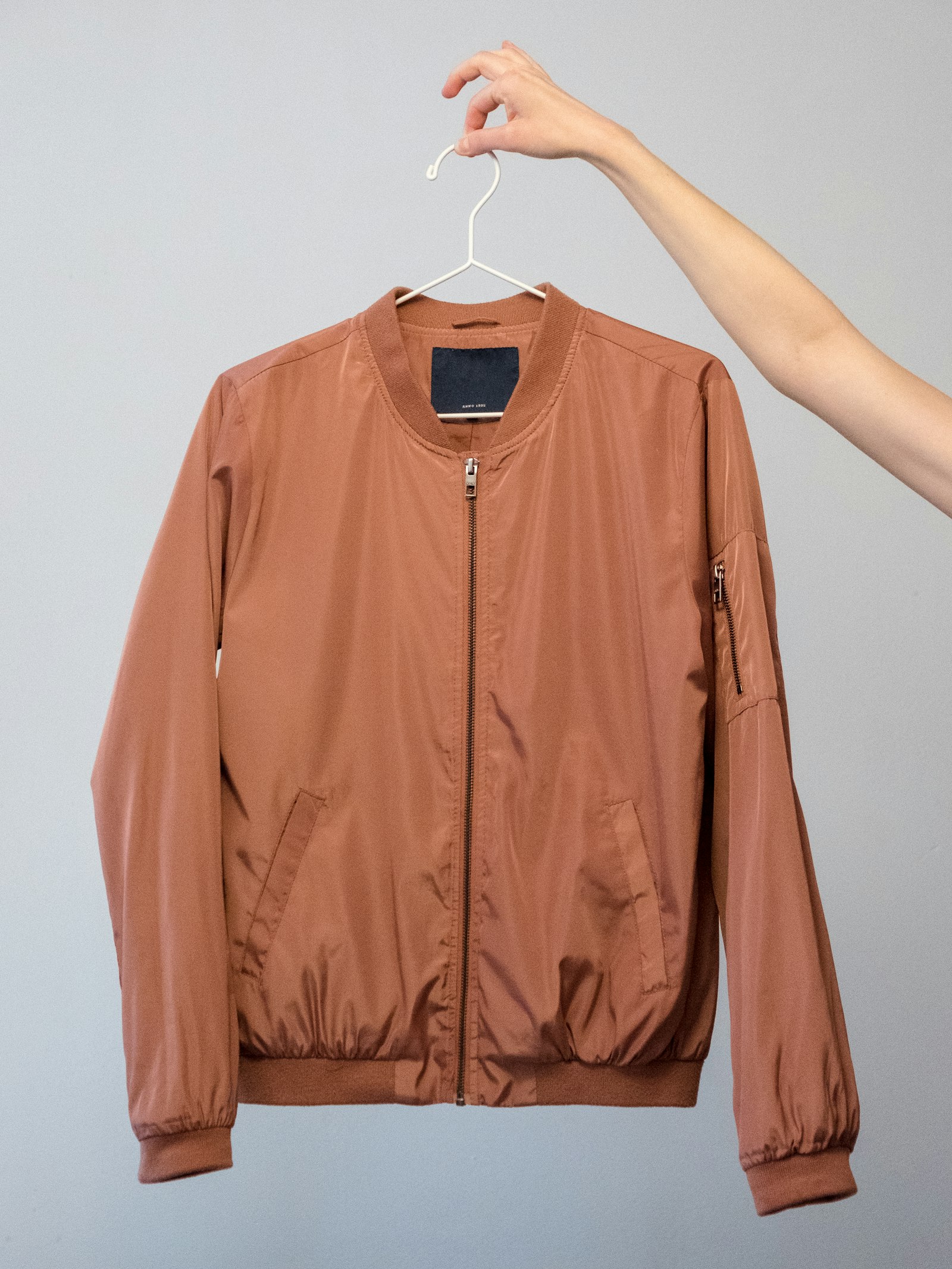
Every metre of fabric we've ever used was already sitting in a warehouse when we found it. Mill ends, cancelled orders, rolls a bigger label decided they didn't want after all. It's cheaper, it's better, and it means we physically cannot make the same garment twice — when the roll is finished, the style is finished.
The constraint isn't a marketing position. It's just what happens when you buy the fabric nobody else wanted.
Every piece carries a stamped run number inside the hem. Not a batch code — an actual number, out of an actual total. You know exactly how many exist. Usually it's fewer than you'd like.
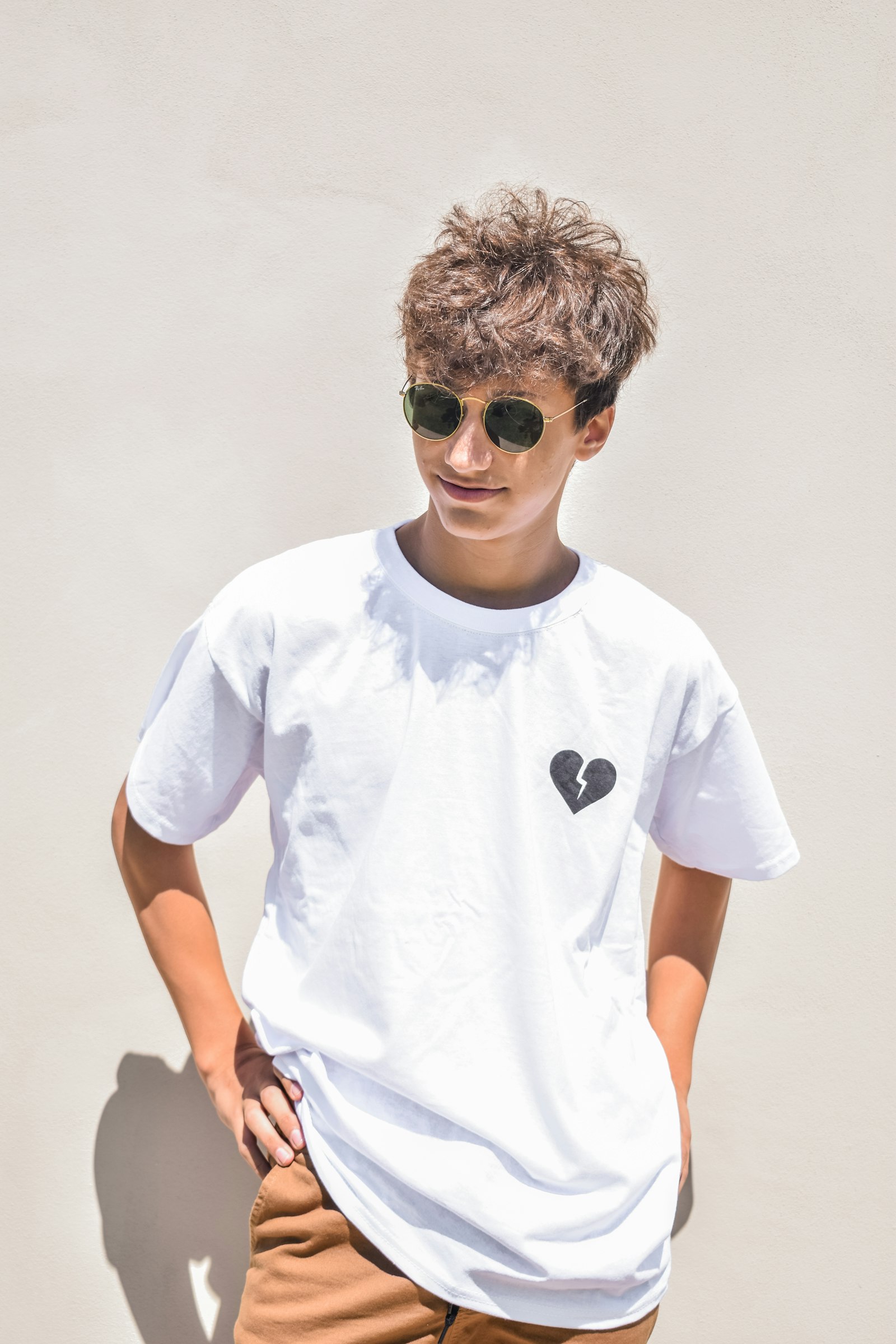
Shot on Rye Lane · 07 looks

Unit 4 · Bellenden Works
Founder · Patterns
Cuts every first sample by hand. Owns the kitchen table the whole thing started on; it's now the cutting table.
Founder · Fabric
Finds the rolls nobody wanted. Has never once bought fabric that was made for us on purpose.
Print · Stamp · Pack
Two more of us, plus whoever's about. Every run number goes on by hand, which is why they're occasionally crooked.
340 pieces exist. When they're gone this page gets one more line and the shop goes quiet until we find the next roll.
Shop Drop 07