Glaucoma
Pressure inside the eye slowly damages the nerve that carries sight to the brain. It takes peripheral vision first, so it is rarely noticed until a great deal is gone.
TestPressure reading + nerve scan
A full eye examination at Clearview takes about twenty minutes. In that time we measure how well you see, and we photograph the back of your eye to check the health of everything behind it.
Two registered optometrists, one dispensing optician, and no sales floor to walk through first. We test eyes. If you need glasses, we will say so — and if you don't, we will say that too.
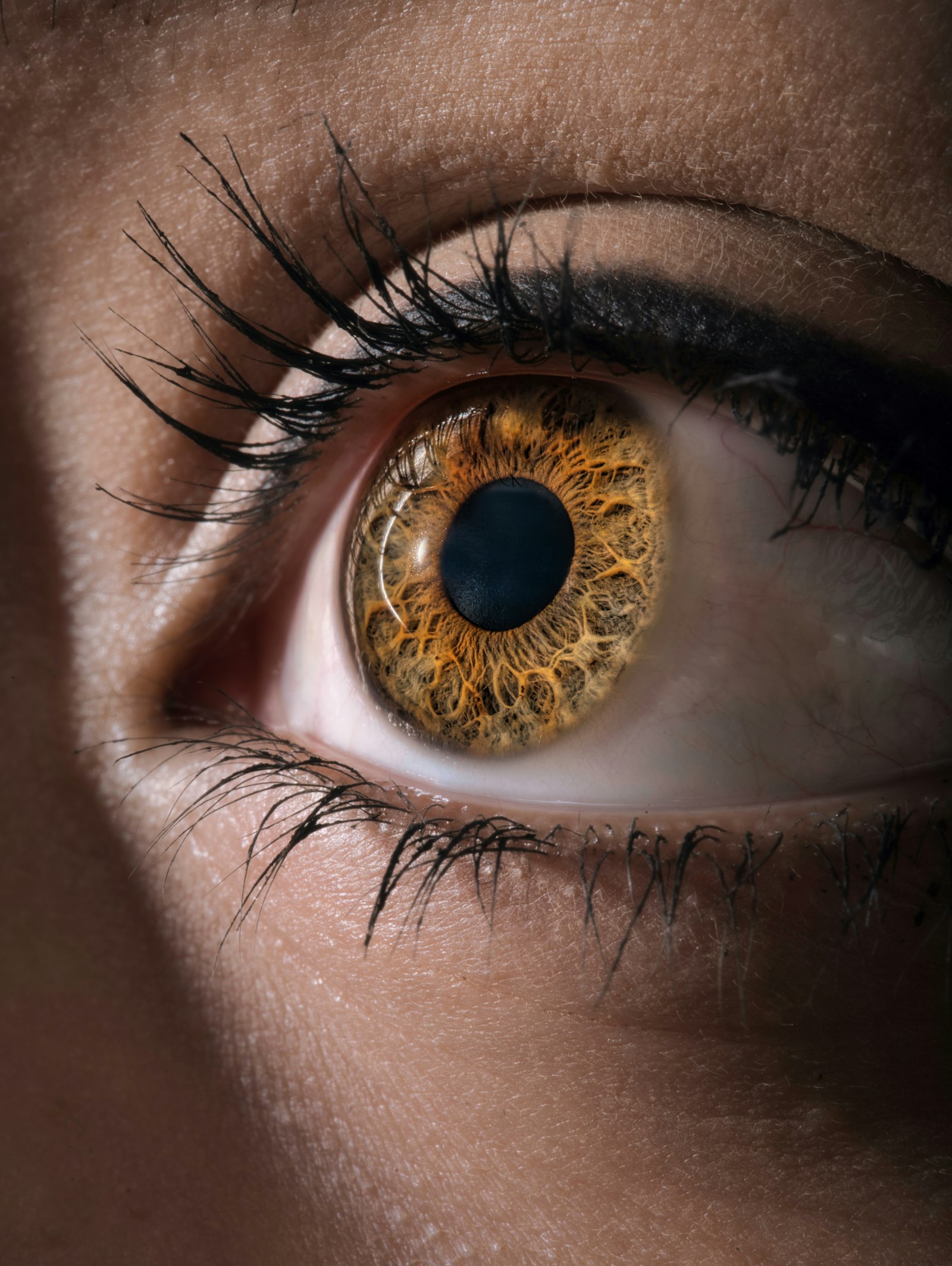
Snellen acuity, right and left, recorded at every visit and compared with your last.
Pick the appointment you think you need. If it turns out you need a different one, we change it on the day and charge the lower fee.
The examination most people need. We check how well each eye sees on its own and together, measure the prescription, test the pressure inside the eye, and look at the health of the front and back of each eye.
Everything in the standard exam, plus a cross-section scan of the retina. The scan shows the layers beneath the surface — where glaucoma, macular degeneration and diabetic damage begin, often years before you would notice a change in your sight.
We measure the curve and diameter of your cornea, match a lens to it, and teach you to put lenses in and take them out before you leave. The fee covers the fitting appointment, a trial pair, and the follow-up two weeks later.
Children rarely report a sight problem, because they assume everyone sees what they see. This appointment uses pictures and shapes rather than letters, so a child who cannot yet read can still be tested accurately.
Most eye disease is painless and gradual. These are the six conditions a routine examination is designed to catch, in the order we check for them.
Pressure inside the eye slowly damages the nerve that carries sight to the brain. It takes peripheral vision first, so it is rarely noticed until a great deal is gone.
Diabetes weakens the small blood vessels at the back of the eye, which bleed and leak. Changes appear in a retinal photograph long before sight is affected.
The central part of the retina thins with age, blurring the middle of what you look at directly while the edges stay sharp. Early detection changes what can be done about it.
The lens inside the eye clouds gradually, scattering light. Colours dull, headlights glare at night, and reading needs more lamp than it used to.
The tear film breaks up too quickly, leaving the surface exposed. It stings, waters and blurs — and it is the most common thing we treat in people who work at screens.
Short-sightedness usually starts between 6 and 13 and increases each year. Measuring the rate of change tells us whether to act to slow it down.
Priya fits every pair by hand and measures each eye separately. Prices are for a complete pair including frames from our own range; you are welcome to bring your own frame instead.
Every frame is adjusted to your face before you leave, and re-adjusted free whenever it slips. A fitting takes about ten minutes and needs no appointment.
One prescription across the whole lens, for distance or for reading. The right choice if your sight needs correcting at one distance only.
Distance, middle and reading in one lens, blended so there is no visible line. We measure your eye position in the chosen frame to place the corridor correctly.
Built for one working distance — a screen, a bench, a music stand. Wider and clearer than a varifocal at that distance, but not for driving.
We take part in the national funded-eyecare scheme. If you qualify for a funded exam, the fee is covered in full — and if you hold a workplace eyecare voucher, we deduct its value at the counter rather than asking you to claim it back.
| Appointment or item | Our fee | If funded | With a workplace voucher |
|---|---|---|---|
| Standard Eye Exam | £65 | £0 | £0 |
| OCT Advanced | £95 | £30 | £30 |
| Contact Lens Fitting | £120 | £120 | £95 |
| Children's Vision (under 16) | £45 | £0 | £0 |
| Single vision pair | from £89 | from £49 | from £41 |
| Varifocal pair | from £245 | from £180 | from £197 |
You qualify for a funded examination if you are under 16, under 19 in full-time education, over 60, diagnosed with diabetes or glaucoma, or receiving certain income-related benefits. Ask at the desk if you are unsure — Marta will check it for you in about a minute.
“I booked because my arms had got too short for the newspaper. Ama found early glaucoma in my left eye at the same appointment. I had no symptoms at all. I now see the hospital every six months and my sight is unchanged four years on.”
“My daughter was squinting at the whiteboard and her school suggested a test. Forty-five minutes and £0 later she had her first pair. She read a road sign aloud on the way home and asked when everyone else had started seeing like that.”
“Twelve years of contact lenses that stung by four in the afternoon. Priya measured my tear film, changed the lens material, and the stinging stopped. Nobody had ever measured it before — they had just sold me more drops.”

Every two years for most adults. Every year if you are over 70, under 16, have diabetes or glaucoma, or wear contact lenses. We write to you when you are due, so you do not have to keep track of it yourself.
It photographs a cross-section through the retina, in the way a slice through a cake shows the layers a photograph of the top cannot. It finds thinning and swelling beneath the surface. We recommend it from 40 onwards, or at any age if there is glaucoma or macular degeneration in your family. It adds £30 and about fifteen minutes.
You are if you are under 16, under 19 and in full-time education, over 60, registered with diabetes or glaucoma, advised by a doctor that you are at risk of glaucoma, or receiving certain income-related benefits. Bring proof if you have it; if you do not, we can usually confirm entitlement at the desk.
Three, or sooner if you notice an eye turning, persistent rubbing, or a family history of lazy eye. A child does not need to be able to read — we test with pictures and shape-matching games. Under-16s are free under the funded scheme.
Only if we need a wider view of the retina, and we will tell you beforehand so you can plan. Drops take about twenty minutes to work and leave vision blurred and light-sensitive for four to six hours. Do not drive during that time. Most examinations do not require them.
A twenty-minute check every six months, included in the monthly plan. We look at the lens on the eye, check the cornea underneath for any oxygen stress, and re-measure the tear film. Wearing lenses without aftercare is the most common cause of the infections we see.
Yes, and we hand it to you printed without being asked. It is your property by law. It is valid for two years, or one year if you are under 16 or over 70.
No. Sudden loss of vision, a curtain across your sight, a burst of new floaters or flashing lights, or a painful red eye all need looking at the same day. Call the practice on 01865 447 210 and we will see you, or send you straight to the eye hospital if that is faster.
Call the practice, or ask at the desk on your way past. We hold two appointments every morning for people who need to be seen the same day.
Perfect for: anyone who has not had their eyes examined in the last two years